May 5, 2026
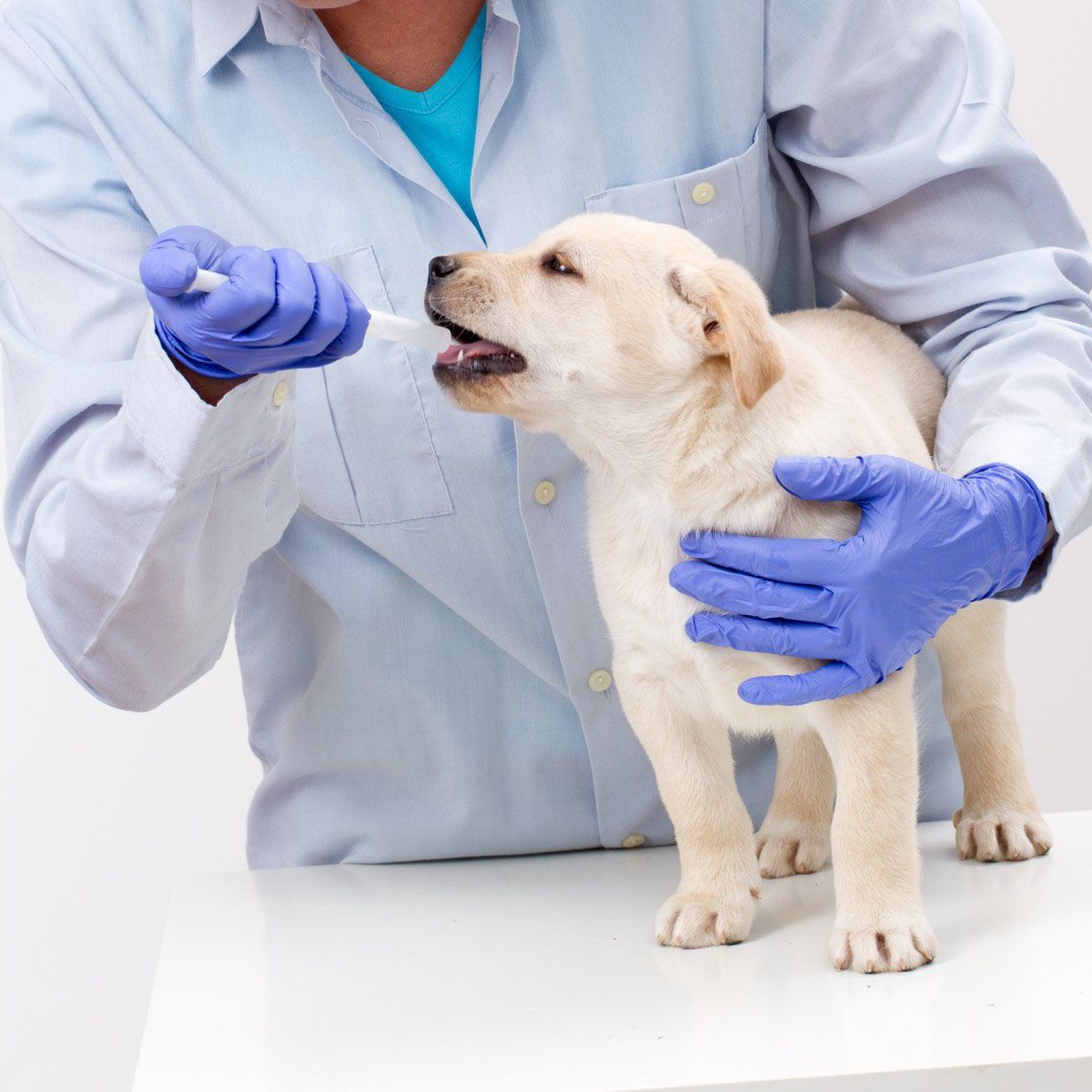
Preventative care plays a central role in protecting your pet’s long-term health and overall quality of life. Rather than waiting for illness to develop, this approach focuses on early detection, routine monitoring, and consistent care to reduce health risks. A vet clinic provides the structure, guidance, and medical services needed to keep pets healthy at every stage of life. From routine exams to nutrition and parasite prevention, each step works together to support lasting wellness — and the sections below explain how that care comes together in practice.
Conduct Regular Health Checkups
Routine visits to a vet clinic are the foundation of preventative care. Comprehensive physical exams allow veterinarians to evaluate your pet's eyes, ears, skin, teeth, and overall condition. These visits help identify subtle changes that may signal early health concerns before they become more serious.
Monitoring vital signs such as heart rate, respiratory rate, and temperature also provides important insight into your pet's health. Establishing a baseline makes it easier to detect abnormalities over time. In addition, body condition scoring helps assess whether your pet maintains a healthy weight, reducing the risk of obesity-related conditions.
Developmental tracking is equally important, especially for younger pets. Monitoring growth, behavior, and physical changes ensures they are progressing as expected. Behavioral evaluations during visits can also reveal signs of stress, discomfort, or underlying medical issues.
According to The Vet Service, about 65 million households in the United States have dogs, highlighting how essential routine veterinary care is for a large number of pets. Regular checkups at a vet clinic help ensure those pets stay on the right track.
Follow Structured Vaccination Programs
Vaccinations are a key component of preventative care offered at a vet center. Core vaccines protect against serious and highly contagious diseases such as rabies and distemper, helping safeguard both individual pets and the broader community.
Non-core vaccines are recommended based on lifestyle, environment, and risk factors. For example, pets that spend time outdoors or around other animals may require additional protection. A vet clinic evaluates these risks and develops a vaccination plan tailored to your pet's needs.
Staying on schedule is critical. Vaccination timelines are carefully designed to provide consistent immunity throughout your pet's life. Booster shots reinforce that protection, ensuring vaccines remain effective over time. In addition, veterinarians monitor for any reactions and provide guidance on what to watch for after an appointment, making the process safe and effective.
Provide Proper Nutritional Guidance
Nutrition directly impacts your pet's overall health, making it a major focus at any vet center. Dietary consultations help create personalized feeding plans based on age, breed, activity level, and medical history. This approach supports everything from energy levels to skin and coat condition.
Weight management is another important aspect of preventative care. Maintaining a healthy weight helps reduce the risk of conditions such as joint issues, diabetes, and heart disease. Regular weigh-ins and adjustments to diet or activity levels ensure pets stay within a healthy range.
Food allergies and sensitivities can also affect your pet's comfort and health. A vet clinic can help identify triggers and recommend appropriate dietary changes. Life stage nutrition is equally important, as puppies, adult pets, and seniors all have different nutritional needs. In some cases, supplements may be recommended to support joint health, digestion, or overall wellness.
Monitor Skin, Allergies, and Dermatology Needs
Skin health is a key part of preventative care that is often addressed during visits to a vet center. Allergies, infections, and chronic dermatological conditions can develop gradually, making early evaluation important for long-term comfort and health. Pets may show signs such as itching, redness, hair loss, or recurring ear issues, all of which can indicate underlying concerns that benefit from professional attention.
A vet clinic can help identify whether symptoms are caused by environmental triggers, food sensitivities, or parasites. Through proper diagnostics and ongoing monitoring, veterinarians create care plans that reduce flare-ups and improve skin condition over time. Addressing dermatology needs early helps prevent more serious complications and supports overall well-being.
Prevent and Control Parasites
Parasite prevention is essential for protecting your pet and your home. A vet center provides options for managing fleas and ticks, which can cause discomfort and transmit disease. Preventative treatments are selected based on your pet's lifestyle and exposure risk.
Heartworm prevention is another critical service. This serious condition is transmitted through mosquito bites and can affect the heart and lungs. Regular testing and preventative medications help ensure your pet remains protected year-round.
Intestinal parasite screenings are also part of routine care. Many parasites are not visible without testing, making early detection important. Addressing these issues promptly helps prevent more serious health complications and reduces the risk of spreading parasites to other animals or humans.
External parasites such as mites require targeted treatment as well. A vet clinic provides guidance on recognizing symptoms and maintaining a clean environment. Managing your pet's surroundings plays a major role in preventing reinfestation and supporting long-term health.
Maintain Consistent Dental Care
Oral health is often overlooked, but it is a critical part of preventative care. Routine dental cleanings performed at a vet center help remove plaque and tartar buildup, reducing the risk of gum disease and tooth loss.
Dental issues can also impact overall health. Infections in the mouth may spread to other parts of the body if left untreated. Regular dental exams help identify concerns early and prevent more serious complications.
At-home care supports these efforts between visits. Veterinarians provide guidance on brushing techniques and dental-friendly products to help maintain oral hygiene. Recognizing early signs such as bad breath or difficulty eating allows for quicker intervention.
Nutrition can also play a role in dental health. Certain diets and treats are designed to reduce plaque and support healthy gums, adding another layer of protection.
Offer Education and Ongoing Support
Preventative care extends beyond medical treatments. A vet clinic also serves as a resource for education and support. Pet owner workshops and consultations provide valuable information on topics such as behavior, nutrition, and routine care.
Behavioral training sessions can help address common challenges and improve the relationship between pets and their owners. Understanding behavior is important, as it often reflects a pet’s physical or emotional health.
Online resources and in-clinic discussions make it easier to access reliable information when questions arise. Personalized consultations allow pet owners to address specific concerns and receive tailored recommendations. Community support and shared experiences can also help reinforce good care practices.
Build Long-Term Wellness Plans
Preventative care is most effective when it is consistent and tailored to each pet. A vet clinic helps develop long-term wellness plans that evolve as your pet ages. These plans combine routine exams, vaccinations, nutrition, dental care, and parasite prevention into a cohesive strategy.
By staying proactive, pet owners can reduce the likelihood of unexpected health issues and manage conditions more effectively if they arise. Preventative care not only supports physical health but also contributes to a better quality of life for pets and peace of mind for their families.
Preventative care remains one of the most effective ways to support your pet's health at every stage of life. From routine checkups and vaccinations to nutrition and dental care, each service plays a role in reducing risks and promoting long-term wellness. A trusted vet clinic provides the structure and guidance needed to keep pets healthy and thriving.
At Ridge Animal Clinic, we provide comprehensive care designed to support your pet's well-being through every stage of life. If your pet is due for a checkup or you want to build a stronger preventative care plan, contact us today to get started.